
Pozícia IGT Kleopatra, Hrajte zadarmo
septiembre 23, 20263D Harbors Popolnoma brezplačne igre za vaše boljše Billionairespin bonus za prijavo jackpote
septiembre 23, 2026Most punters arrive at a live roulette table expecting the wheel to do all the heavy lifting. They bring a drink, a hopeful mood, and a wallet that is already thinner than they admit. Card counting in live roulette sounds like a clever workaround, the sort of trick a sharp mate might mention over a pie at the footy. In practice, it is a different kind of discipline, one that asks you to track the flow of cards in a game built around a spinning wheel and a bouncing ball. We have watched Australian players chase this idea for years, usually after a long arvo at the races when the conversation turns to beating the house. The reality is less glamorous and more methodical, and it suits a particular type of player who would rather study a pattern than chase a lucky spin.
What the Strategy Actually Looks Like
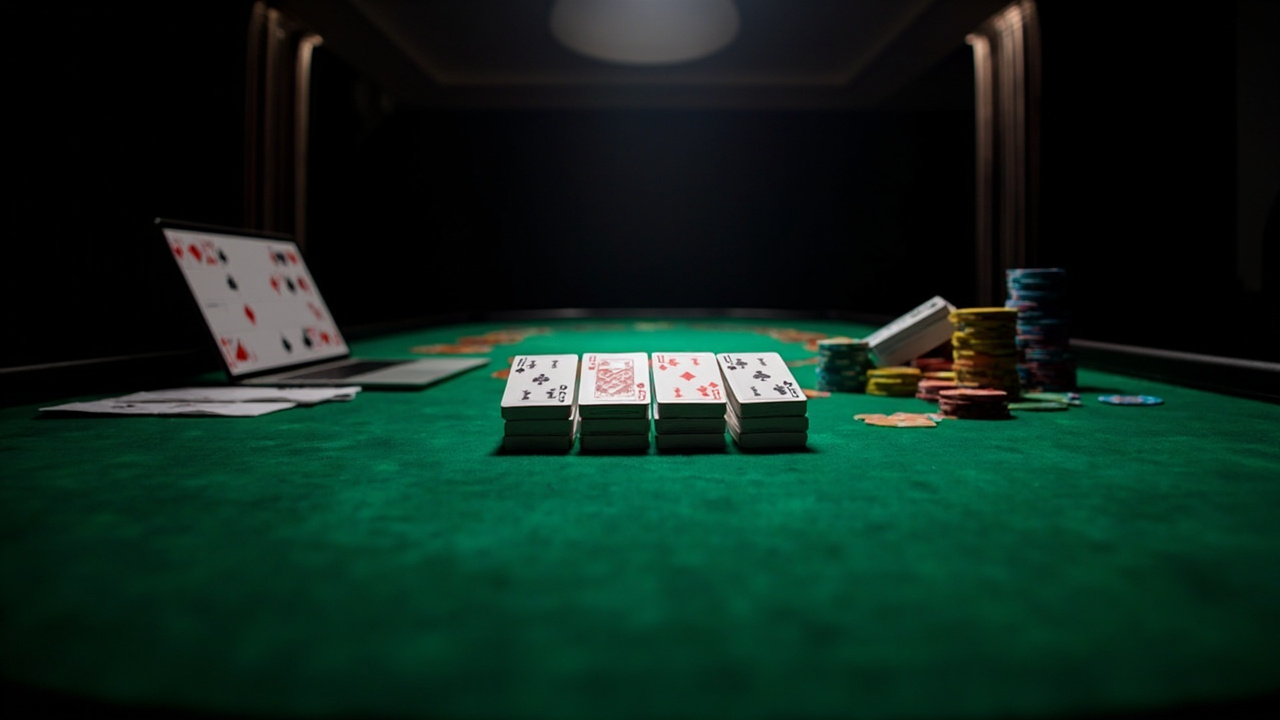
Card counting in live roulette is not a magic lens that turns red into black or predicts where the ivory ball will land. It is a way of reading the composition of the deck or shoe across multiple spins, looking for shifts in probability that emerge when certain cards have been removed from play. Live dealer tables usually shuffle less often than a land-based club floor, and that slower reset is what gives the idea any oxygen at all. A player who works this method tracks which values have passed through, notes whether the remaining deck leans toward a particular range, and adjusts bet sizing accordingly. It is quiet work. There is no dramatic gesture, no muttering at the screen, just a steady tally kept in the head or on a small pad where the operator allows it.
The approach works best when the live table uses a visible shoe and a predictable shuffle rhythm. Some operators deal from a single deck, others from a multi-deck shoe, and the difference matters more than most newcomers realise. A single deck changes composition faster, which gives a careful counter something to read; a six-deck shoe dilutes the effect and stretches the variance across more hands. The trick is not to force a system onto a table that does not suit it. We have seen players try to apply the same rhythm to every session, then wonder why the numbers refuse to behave. A better fit is a table where the shuffle schedule is regular, the dealer pace is steady, and the camera angle lets you see the cards as they land. That combination is uncommon, but it exists, and when it does, it rewards patience rather than bravado.
A Beginner’s Walkthrough for the Table
If you are helping a mate understand the basics, start with the table itself. Sit where the shoe or discard tray is visible, watch three or four sessions without placing a bet, and note how the dealer handles the shuffle. Some live tables cut the deck after a fixed number of spins, others reshuffle on a timer; either way, the pattern is what you are after. Once you know the rhythm, keep a simple running note of the cards that have appeared. You do not need a complicated index, just a sense of which values are leaving the shoe and which remain. For a newcomer, the goal is awareness, not a grand plan.
Next, translate that awareness into bet sizing that stays within your own limits. Increase only when the remaining composition leans in a direction your method recognises, and pull back when the shoe looks mixed or the shuffle is about to happen. The point is to vary your exposure, not to chase a streak. A beginner who raises the stake every time the table looks busy is not counting, just gambling with extra steps. Keep the unit size small enough that a rough patch does not empty the session before the shoe has a chance to turn.
Finally, practise the whole routine away from the screen before you risk real money. Run through a few shoes at home, mark the shuffle points, and check whether your mental tally matches the actual cards. A mate who learns the process on a quiet evening will spot the table conditions faster than someone who tries to invent the method mid-session. When you do sit down for real, treat the first twenty minutes as observation, not action. That habit keeps the method grounded and stops it from becoming a noisy superstition.
Once you feel confident in your home practice, you can explore online platforms that offer promotional incentives. Many Australian players look for thepokies.net free spins at https://thepokiesnet-freespins.com/ to extend their playtime without additional cost. This allows you to apply your counting strategy in a low-risk environment before committing further funds.
How It Fits a Live Session
Card counting in live roulette suits a player who likes structure more than spectacle. It is not for someone who wants a fast spin and a quick payout, because the method asks for time, attention, and a willingness to sit through dull stretches while the shoe settles. For the right person, that is a feature, not a drawback. The live format already mirrors in the guide a physical table: a real dealer, a visible wheel, and a pace that leaves room to think. When you add a counting routine, the session becomes more deliberate, and the decisions feel earned rather than impulsive. That kind of play tends to work better on a stable connection with a clear screen, because a frozen feed ruins the whole exercise.
Payments and account setup should be straightforward enough that they do not interrupt the rhythm. In Australia, that usually means a deposit path you can trust, whether it is a quick PayID transfer, a BPAY arrangement, or a bank transfer that lands when the timing lines up. Card blocks can still happen on some processors, so it pays to check the payment method before the session starts rather than during a losing run. A player who has to troubleshoot a blocked card while trying to track a shoe is not having a good time. The same goes for verification and geo checks: sort them out in advance, because a live table does not pause while the compliance team catches up.
Support and loyalty matter more here than in a fast-paced slot session, because a counting player may return often without betting heavily every time. A decent live operator keeps the table stable, answers questions without the runaround, and recognises regulars in a way that feels ordinary rather than theatrical. If a platform treats every visitor like a one-off, the method loses some of its appeal. If it treats the table as a place people actually sit and play, then card counting in live roulette has a home that makes sense.Sbs
Where It Ends Up
Card counting in live roulette is a niche habit for people who want a live table with a bit of intellectual friction. It will not turn a roulette session into a sure thing, and anyone who tells you otherwise is selling a story, not a method. For a patient player who can read a shoe, manage the bankroll, and tolerate a slow shuffle, it adds a layer of purpose to a game that is otherwise just a wheel and a bet. For everyone else, it is an interesting idea that belongs on the shelf next to the racing form, not on the felt.
